Water Line and Pipe Inspection
Solutions that solve the unknown
The water line and pipe inspection industry includes municipal water utilities, water system engineers, plumbing contractors, environmental consulting firms, and specialized inspection companies contracted to physically verify the material composition of service lines running from water mains to individual buildings and eliminate lead service lines from the nation’s drinking water systems.
Historically, water line and pipe inspection involved reviewing any installation records, visually inspecting exposed pipe at the meter pit, or using a magnet-and-scratch test to distinguish lead from other metals. These methods are slow, often inconclusive on buried or corroded pipes, and don’t hold up well against the documentation and validation standards now required by federal regulation.
The Lead and Copper Rule Revisions (LCRR) and Lead and Copper Rule Improvement (LCRI) has created growing need for portable equipment that can generate accurate, defensible material identification data in a single field visit. Handheld K-Shell XRF and an in-pipe probe have filled that gap by providing a solution both whether potholing is and is not possible. With millions of lead service lines in the ground that are either known to contain led and millions more classified as unknown, Viken has answered the call with solutions that expedite testing.
Why Utilities and Inspection Contractors require K-Shell XRF and In-pipe Probes
- Baseline inventory validation
Crews use exterior XRF readings at accessible points to rapidly confirm or reclassify lines flagged as “unknown” in the initial LCRR inventory. - Resolving concealed or buried unknowns
Where no pipe surface is exposed, the probe technology is fed into the line through a curb box or fitting to identify the material without excavation. - Confirming GRR status
In-pipe probe helps determine whether a galvanized line was ever downstream of a lead connector, allowing for correct classification under LCRI. - Supporting property owners with access and consent
LCRI requires documented outreach efforts to gain access to customer-owned line segments; having both detection methods on hand reduces the number of site visits needed to get a conclusive result. - Audit and enforcement defensibility
As inventories become public records subject to state validation, instrument-based readings from both methods provide more defensible documentation than visual or scratch methods alone.
Featured Products
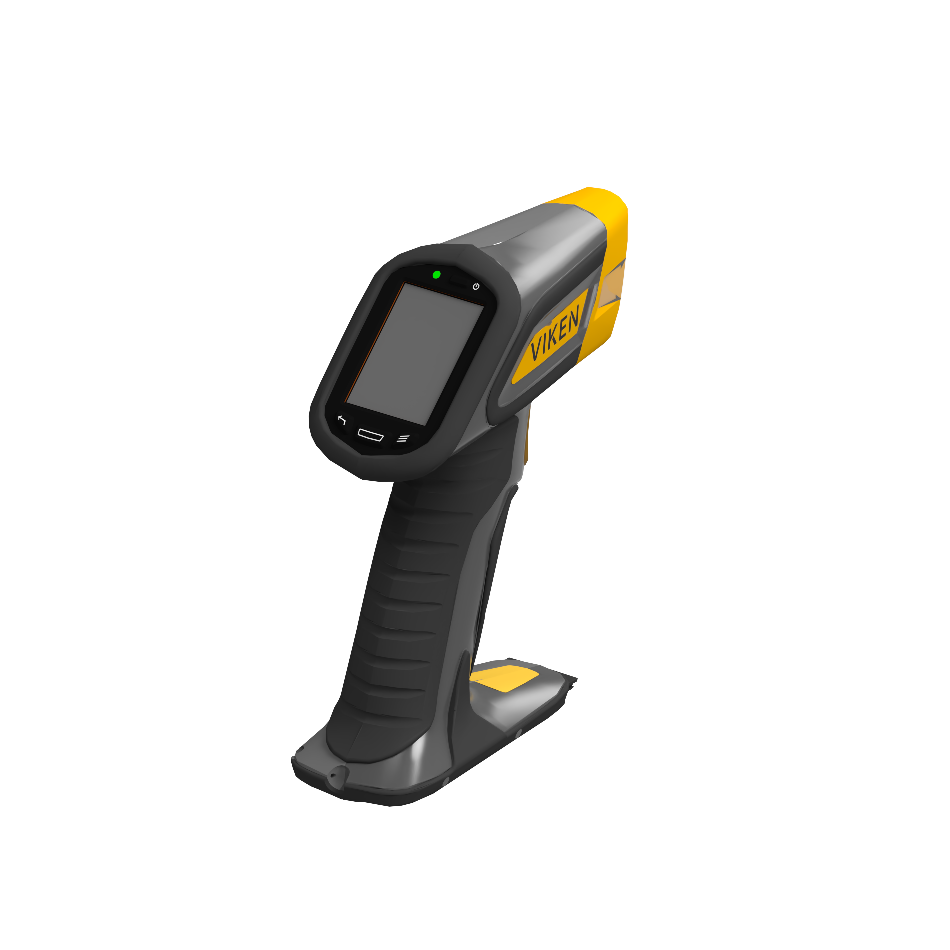
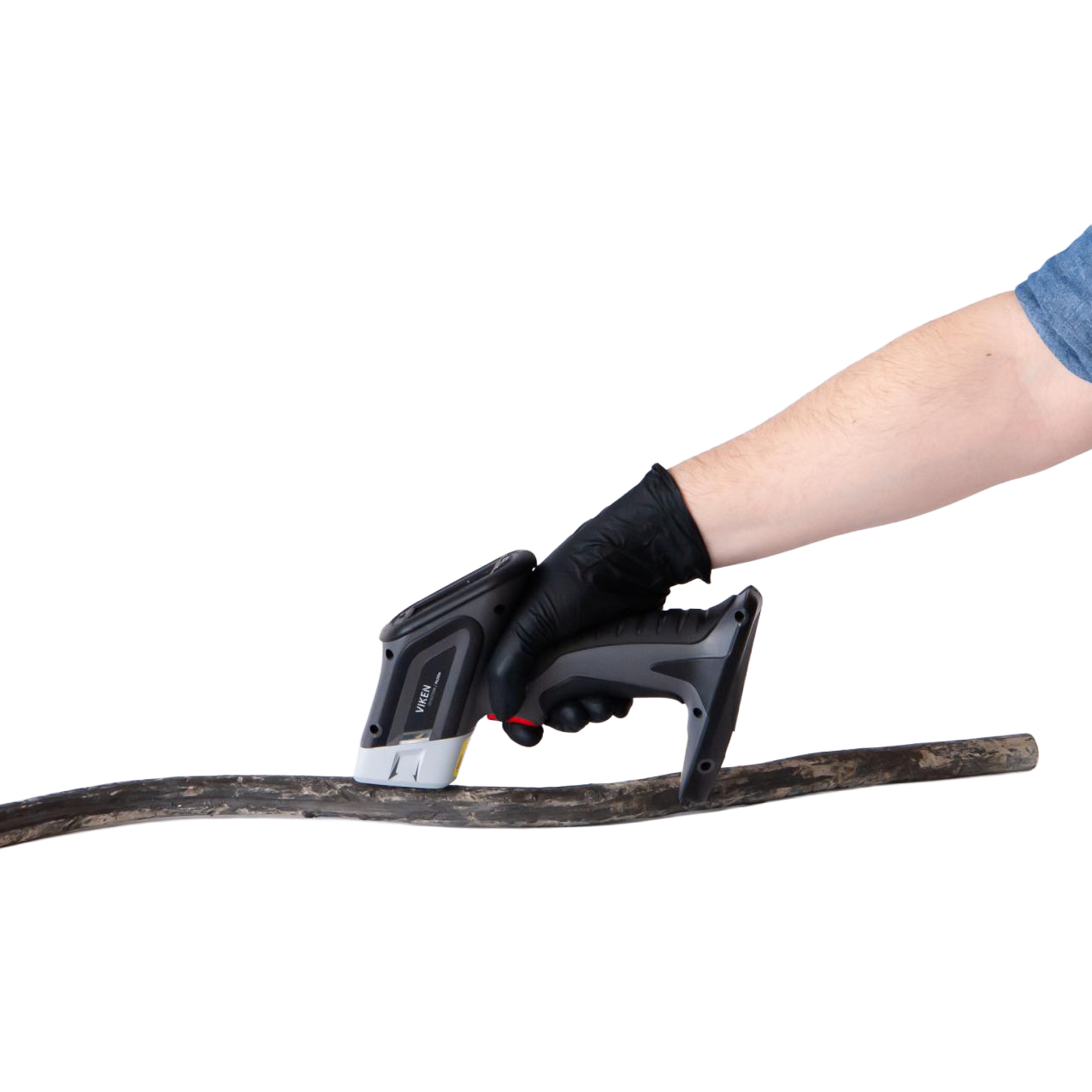
Pb200w™
Pb200w™
Pb200w Handheld XRF Lead Pipe Analyzer for EPA Lead and Copper Rule Compliance
The Viken Detection Pb200w is a handheld XRF (X-ray fluorescence) analyzer purpose-built to help water utility companies, and state and local municipalities, comply with the EPA’s Lead and Copper Rule (LCR), Lead and Copper Rule Revisions (LCRR), and Lead and Copper Rule Improvements (LCRI).
Visual inspection and predictive modeling based on historical records alone can miss lead and lead-lined pipes hiding inside a water service line inventory. Utility companies need accurate, scientifically defensible field data to confirm or rule out lead for supplementing other techniques. The Pb200w offers a fast, simple way to validate unknown service line material in the field.
Purpose-built for field lead service line verification
Everything about Pb200w is designed around one job: giving field crews an accurate, defensible answer about pipe material without the cost and hassle of pulling the line.
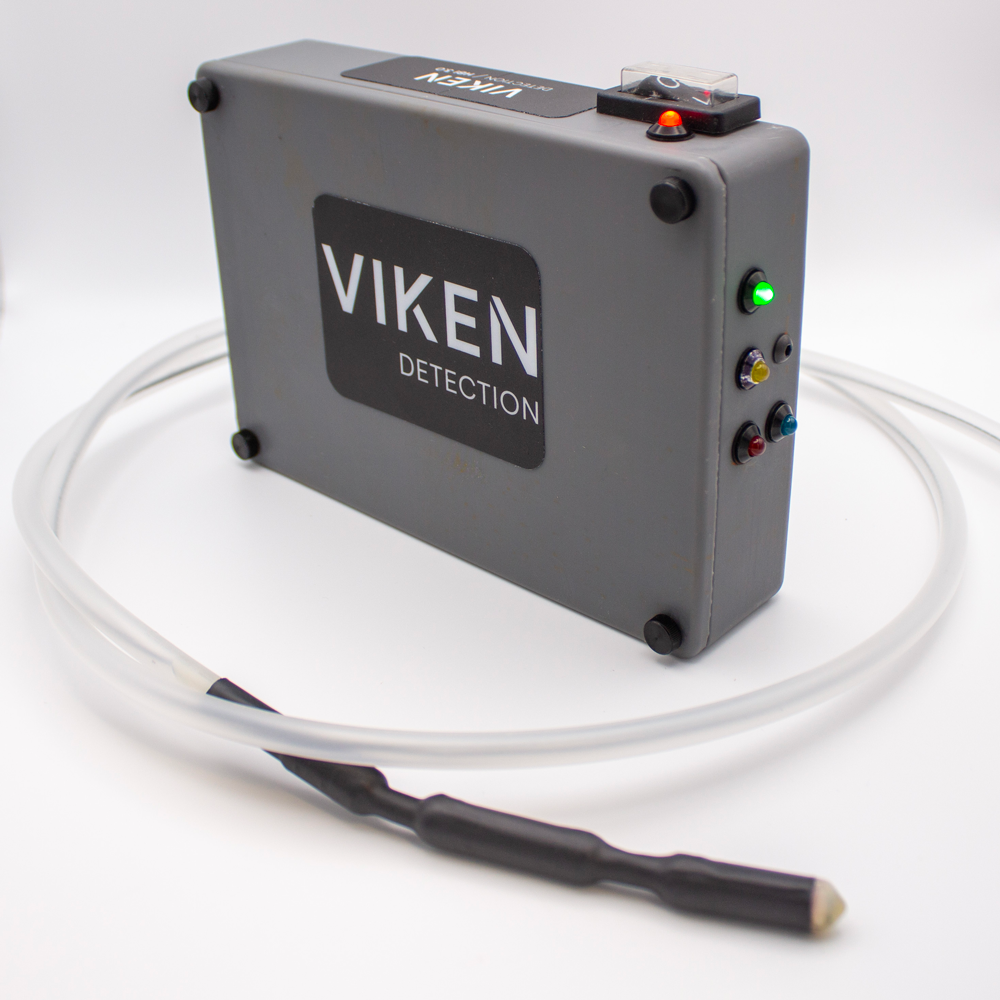
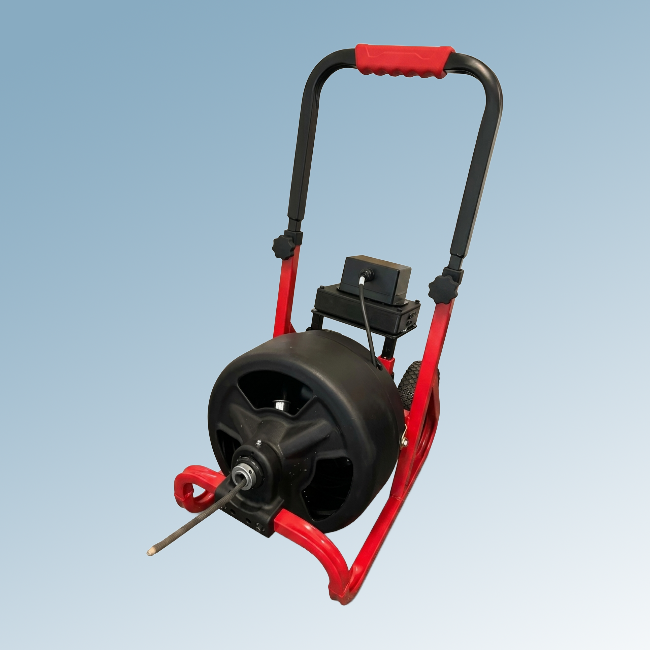
Orca
Orca™
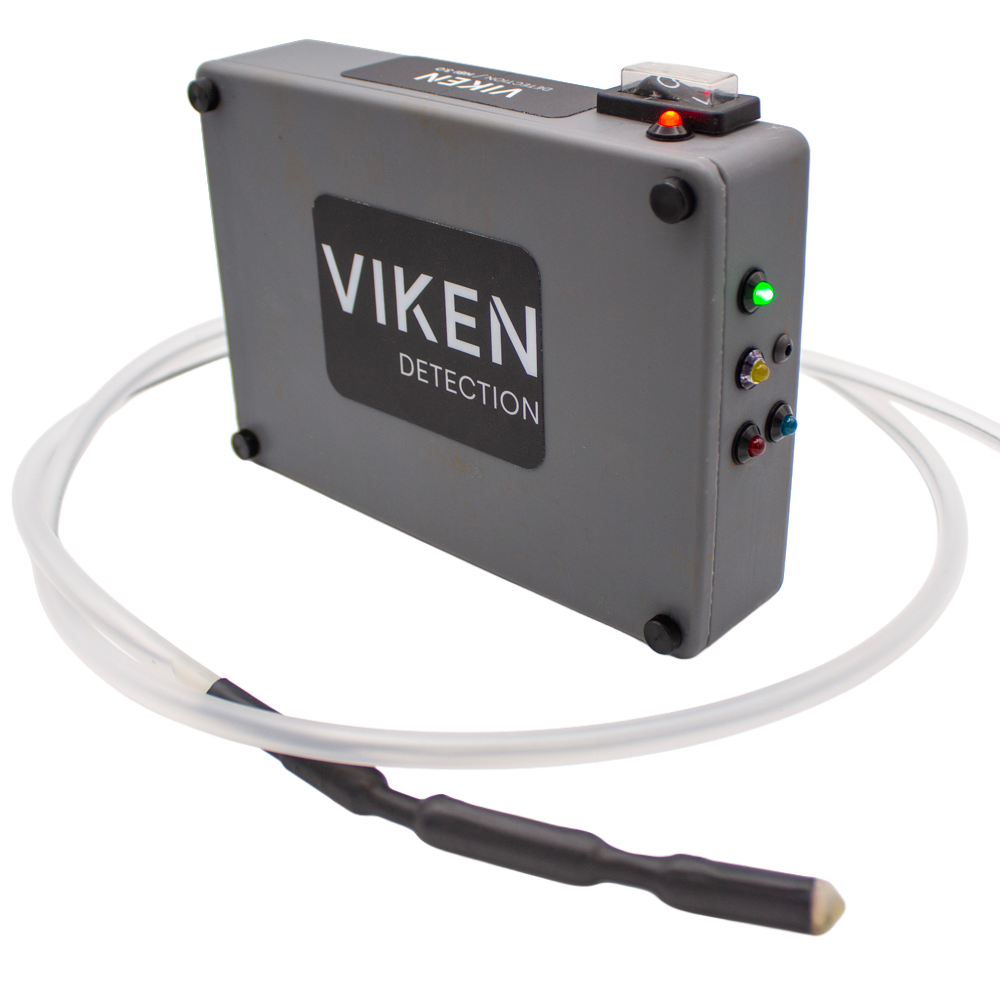
No-Dig Lead Service Line Identification — The ORCA™ In-Pipe Probe
The Viken Detection ORCA™ probe uses patented electromagnetic resonance technology to identify pipe material in real time. As the ORCA probe moves through the length of the service line, immediate material feedback is provided allowing utilities to close out LCR and LCRI inventory requirements with confidence. It accurately distinguishes pipe materials, without excavation or potholing, minimizing expenses and disruptions. Results are instant and easy to read, and data is available for reporting and audit purposes.
Frequently Asked Questions

XRF requires a physically exposed section of pipe to get a reading, since it analyzes the surface directly. Many service lines are buried, sleeved, or otherwise inaccessible without potholing which can be disruptive and expensive. An in-pipe probe can be fed into the line through an existing access point like a curb box, allowing material identification even when no surface is exposed. Together, the two methods cover both accessible and concealed pipe scenarios.
XRF directs x-rays at the pipe surface and measures the characteristic fluorescent x-rays the material emits in response. Each element produces a distinct signature, allowing the device to identify the material. K-Shell XRF allows higher energy Pb X-rays to be detected even when enclosed within galvanized steel.
XRF can detect Pb through galvanized. Interior probing can also characterize the material of a galvanized segment.
K-shell XRF reads the Pb signal through heavy paint, corrosion, or scale.
Field-verifiable, instrument-based material identification, rather than assumptions from historical records, gives utilities more accurate data to meet both the validation deadline and to correctly sequence which lines get replaced first.