Customs and Border Protection
Secure Borders Start with Clear Images
Agents responsible for securing Ports of Entry — including airports, land borders, and seaports — rely on Viken’s full breadth of handheld, mobile and stationary x-ray imager technologies to detect hidden narcotics, weapons, and other illegal goods in personal vehicles, commercial vehicles, and shipping containers.
Using advanced backscatter and transmission x-ray technology, Viken’s x-ray imagers give customs and border protection portable, mobile and stationary screening operations, inspecting cargo, containers, and vehicles without requiring disassembly or offloading.
Backscatter x-ray imaging reveals contraband concealed within vehicle panels, container walls, and cargo structures, while transmission x-ray provides detailed density-based images to distinguish legitimate goods from concealed threats. Whether deployed at fixed checkpoint stations or carried into the field for mobile screening at land border crossings and remote inspection sites, these x-ray imagers help border security personnel identify concealed individuals, smuggled goods, and dangerous materials at ports of entry, improving inspection speed and accuracy without disrupting the flow of legitimate trade and travel.
Deployment Options for Every Port of Entry
Whether deployed at fixed checkpoint stations or carried into the field for mobile screening at land border crossings and remote inspection sites, Viken’s x-ray imagers help border security personnel:
- Identify concealed individuals during vehicle and cargo searches
- Detect smuggled narcotics, weapons, and dangerous materials
- Inspect personal vehicles, commercial vehicles, and shipping containers without disassembly or offloading
- Improve inspection speed and accuracy at airports, land borders, and seaports
- Maintain the flow of legitimate trade and travel while strengthening security screening
Featured Products
Raven™
Raven™
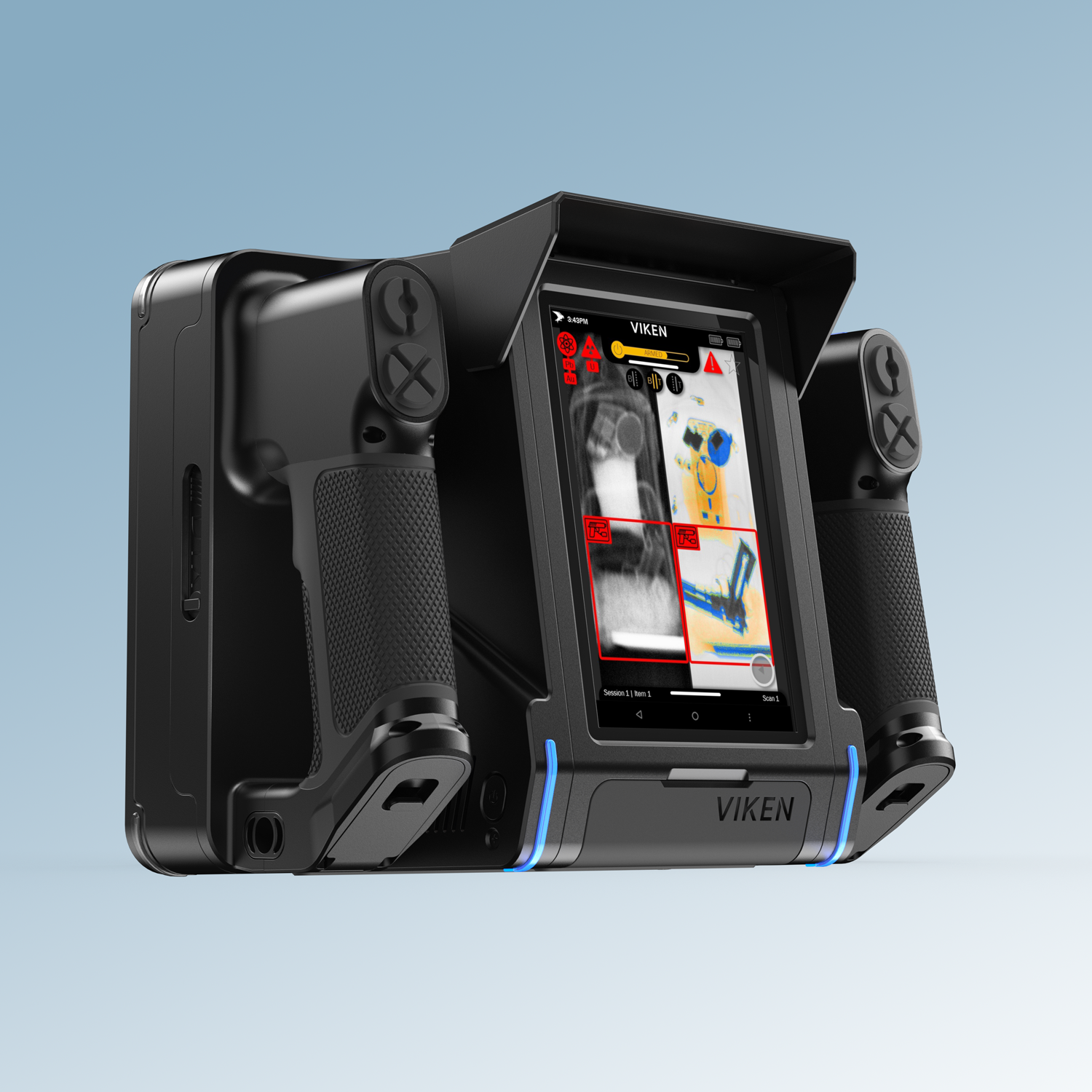
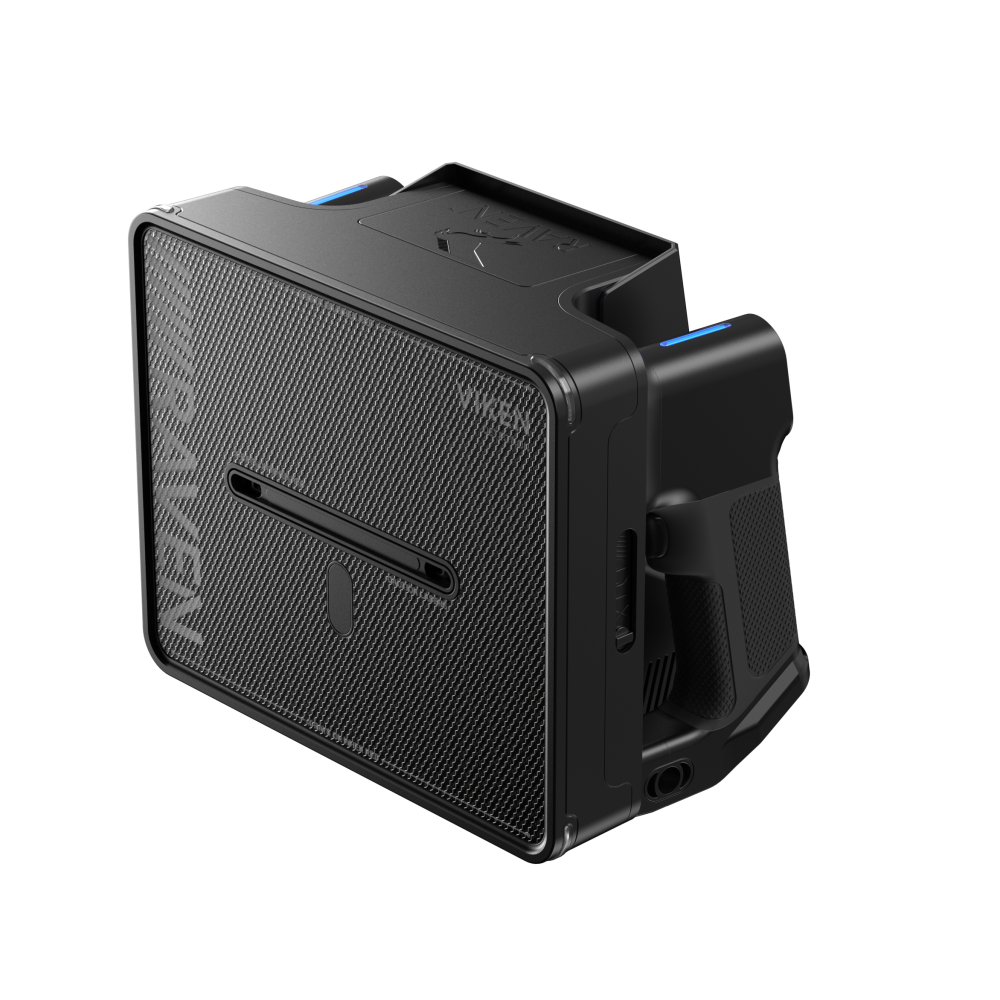
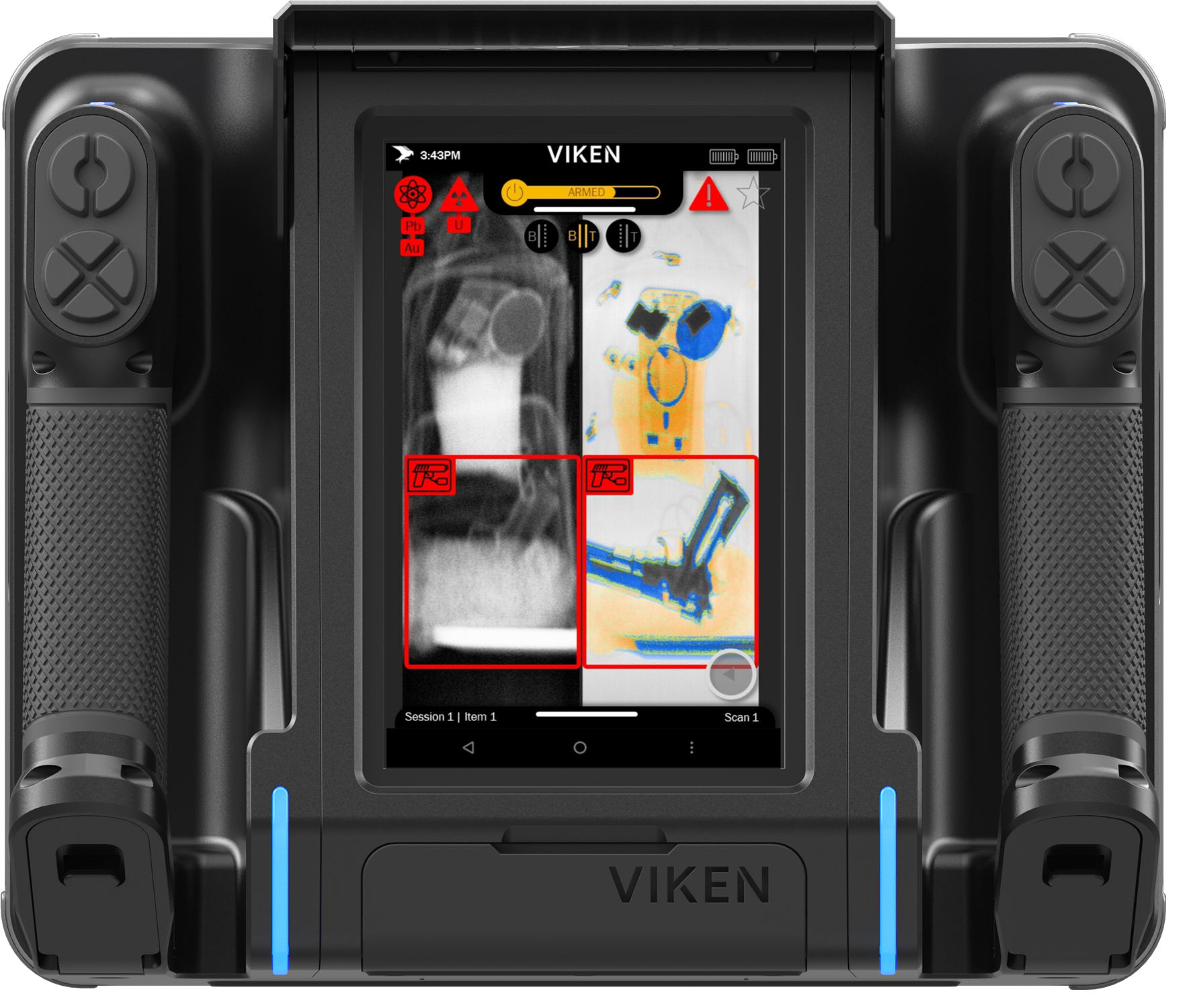
Introducing RAVEN: Handheld “Smart” X-ray Imager
The Raven handheld imager provides outstanding mobility, enhancing threat detection across various environments. Its lightweight and ergonomic design optimizes user efficiency, while its advanced imaging technology, multifunctional detection capabilities, and AID Toolset facilitate the rapid identification of concealed threats. The Raven is an essential asset for mobile security operations.
X-ray Portals
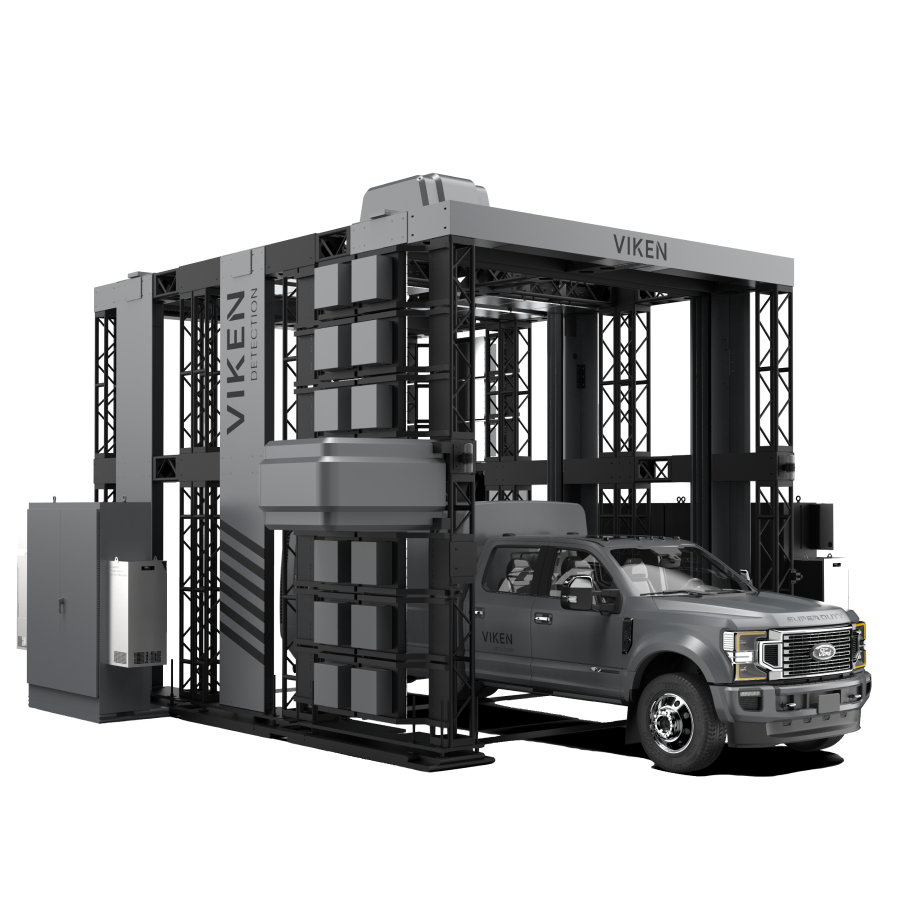
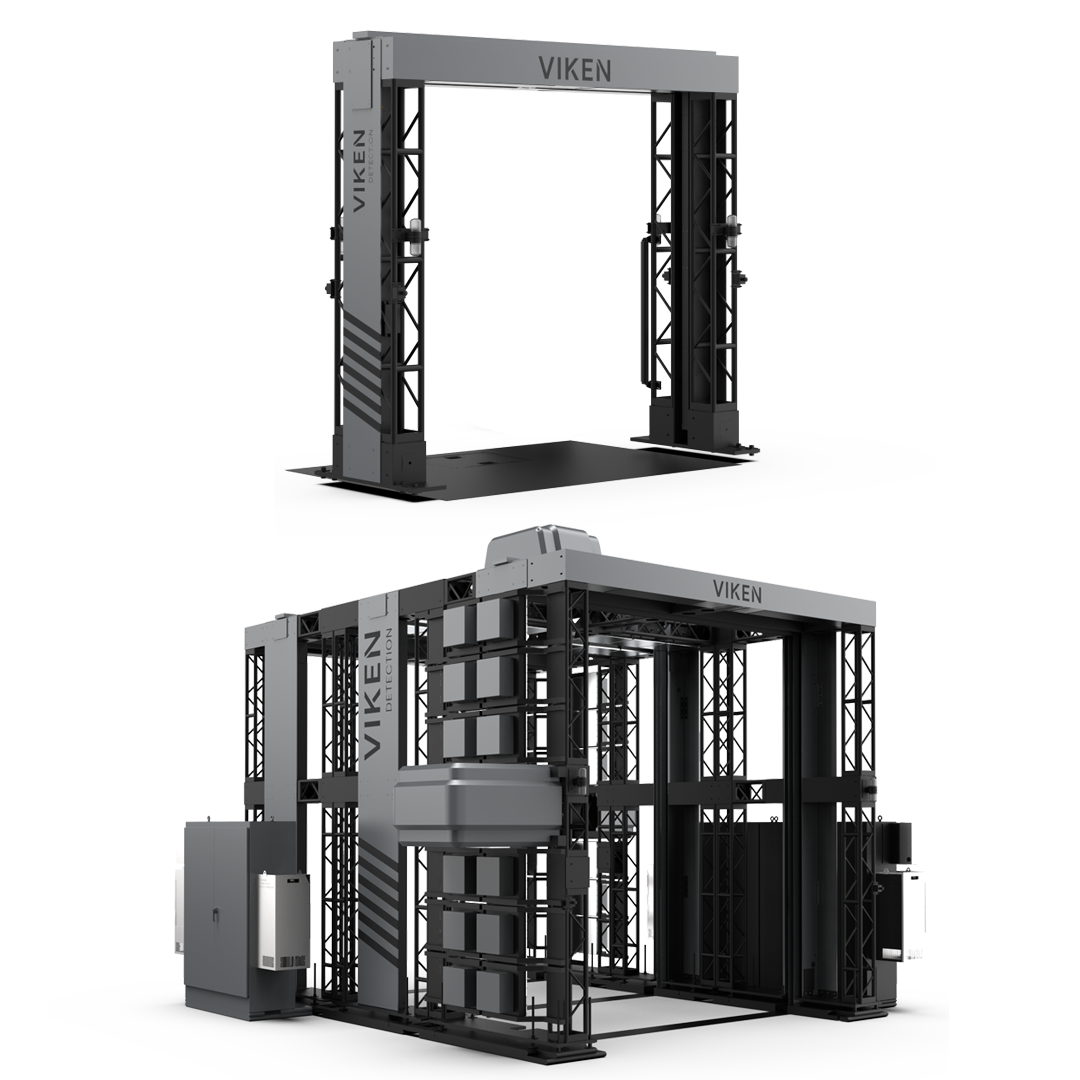
X-ray Portal Vehicle Detection Systems
Purpose-built Portals for X-ray Detection
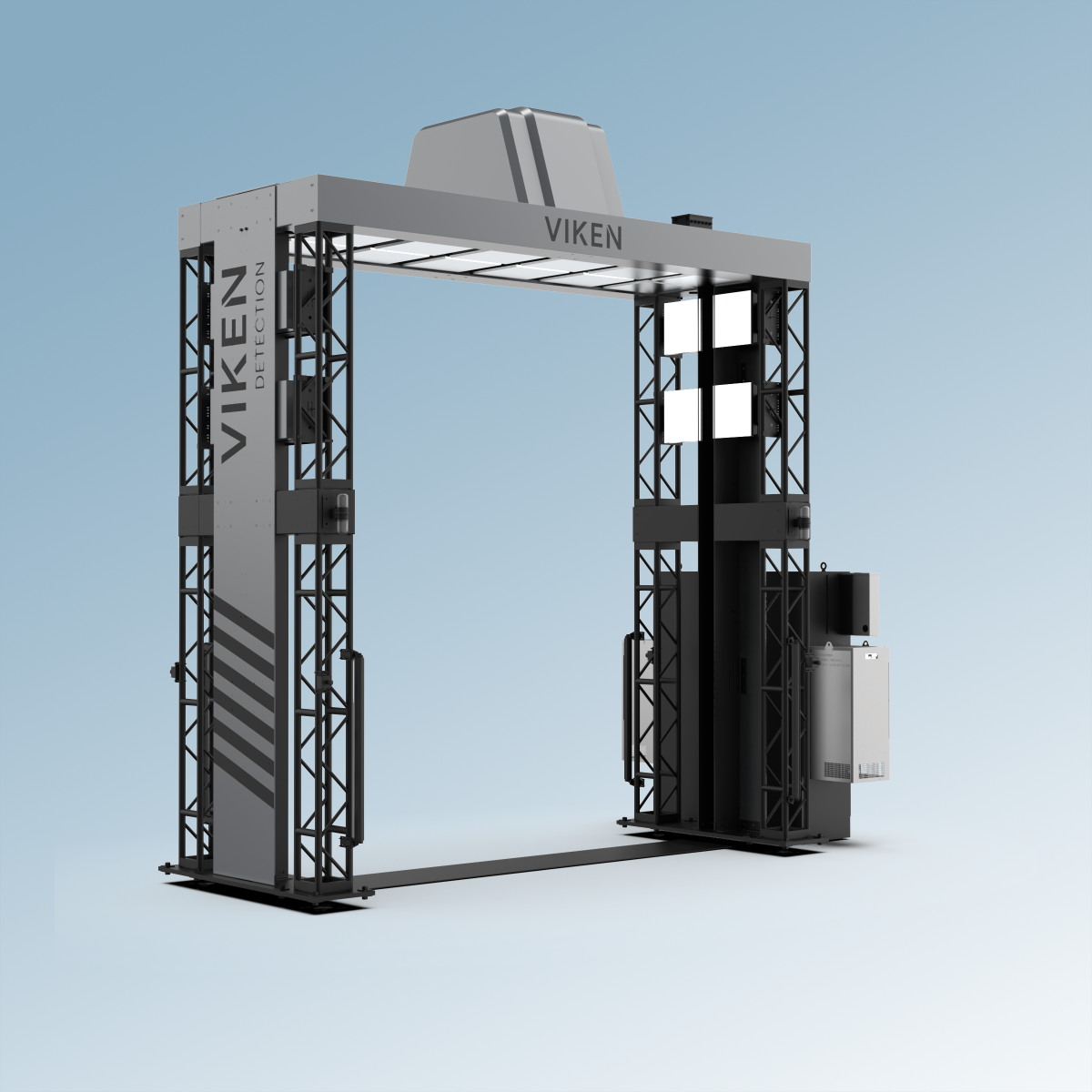
The Osprey and Harrier X-ray portals are purpose built for high throughput fixed site inspection providing the ultimate in checkpoint design for commercial and passenger vehicle scanning.
The Osprey Under Vehicle X-Ray can be configured as either a passenger or commercial vehicle portal and can include optional transmission detection allowing it to provide rapid security screening for drugs, weapons, smuggled goods and other threats.
The Harrier X-Ray Portals offer versatile solutions designed to suit your specific mission and needs. They are purpose-built for high throughputs two, three and four view fixed site inspection of passenger or commercial vehicles providing the ultimate in checkpoint design for vehicle screening.
Mobile X-ray Detection
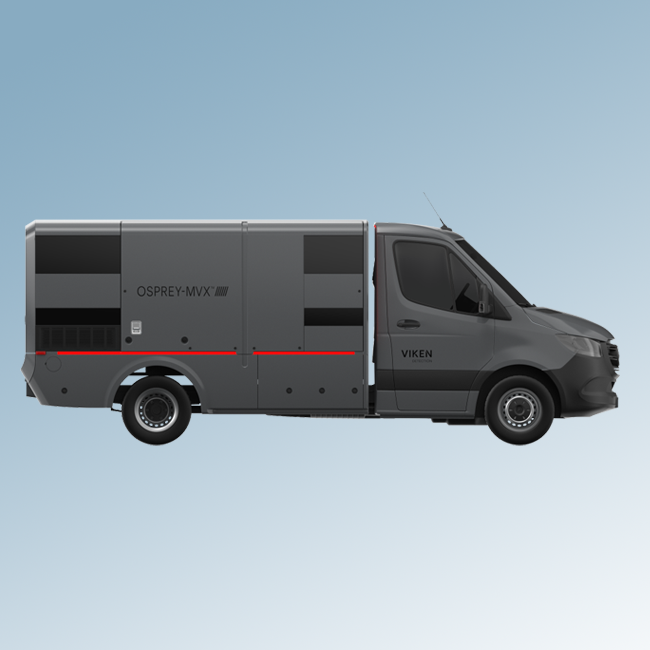
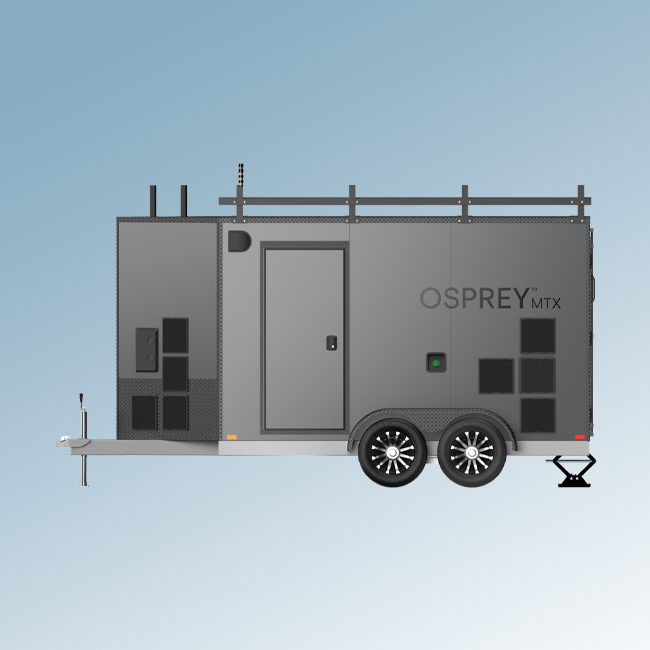
Osprey Mobile X-ray Detection Systems
Purpose-built for deployable X-ray Detection
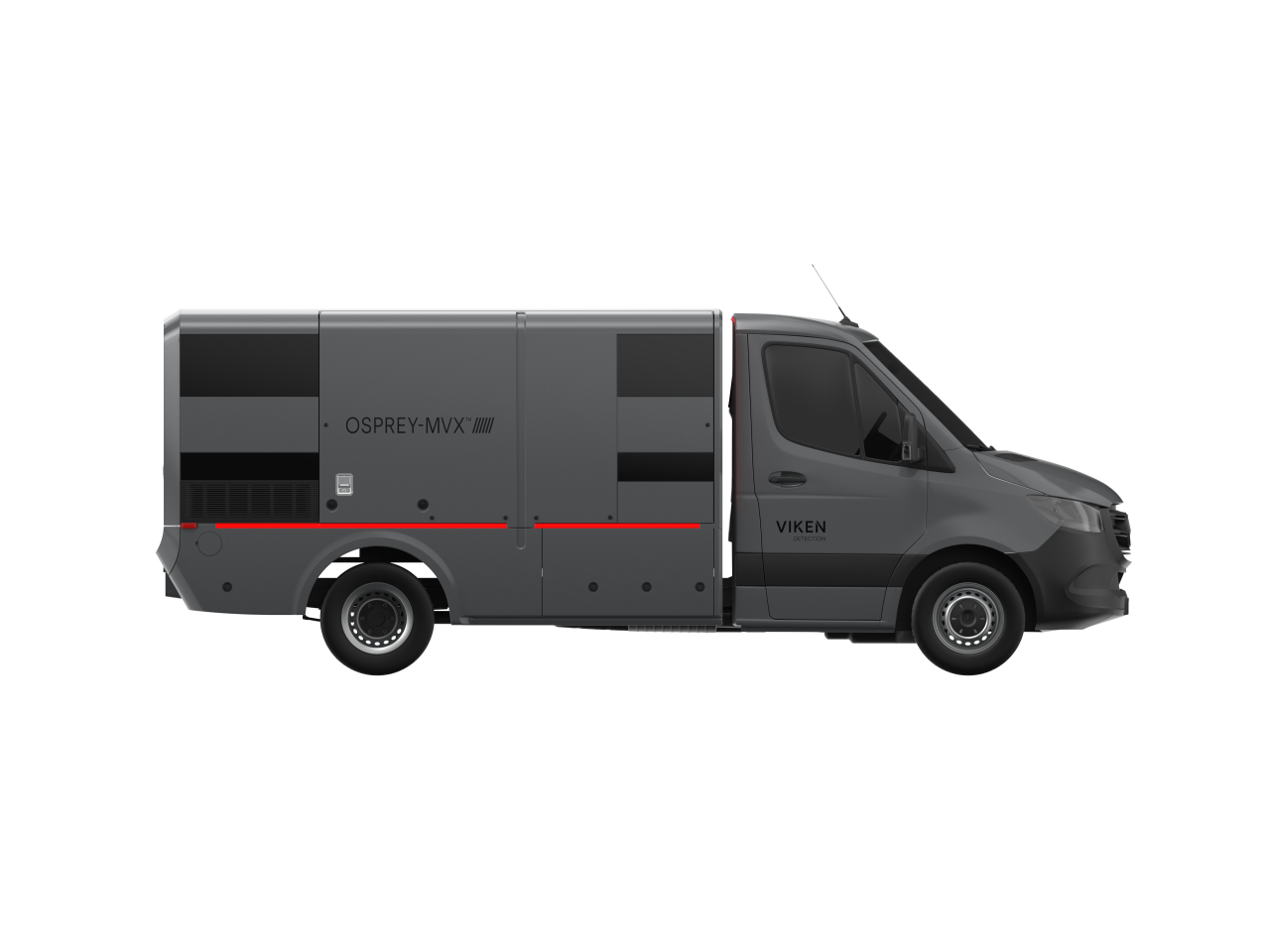
The Osprey mobile line-up is designed for any detection situation anywhere providing the ultimate in checkpoint design flexibility for optimized vehicle scanning.
With fast, easy deployment, The Osprey family of mobile vehicle X-ray are self-contained systems that are ready to go wherever security screening countermeasures are urgently needed. Their innovative design gives inspection officers backscatter images and optional transmission images which can reveal threats like explosives, weapons, drugs, currency, and other contraband items.
Frequently Asked Questions

Viken offers a full range of x-ray imager technologies — handheld, mobile, and stationary allowing agencies to choose the right screening approach for each location, from fixed checkpoint stations at major airports and seaports to portable units carried into the field at remote inspection sites and land border crossings.
Handheld x-ray imagers (Raven) are portable devices officers carry directly to a vehicle, container, or package for on-the-spot inspection. Mobile x-ray systems are designed to be transported and deployed at various field locations, such as land border crossings or remote sites. Stationary x-ray systems are installed at fixed checkpoint stations for continuous, high-throughput screening. Together, these give ports of entry flexible coverage across different traffic volumes and inspection scenarios.
Yes. Viken’s x-ray imagers are built to inspect personal vehicles, commercial vehicles, and shipping containers alike, without requiring disassembly or offloading of cargo.
Viken’s x-ray imagers are designed to improve inspection speed and accuracy at ports of entry, supporting thorough screening without disrupting the flow of legitimate trade and travel.
Yes. In addition to detecting smuggled goods and dangerous materials, Viken’s x-ray imagers help border security personnel identify concealed individuals during vehicle and cargo searches — relevant to both smuggling interdiction and human trafficking cases at ports of entry.